# Score Card को सुरक्षित तरीके से कैसे Save करें और बाद में कैसे उपयोग करें
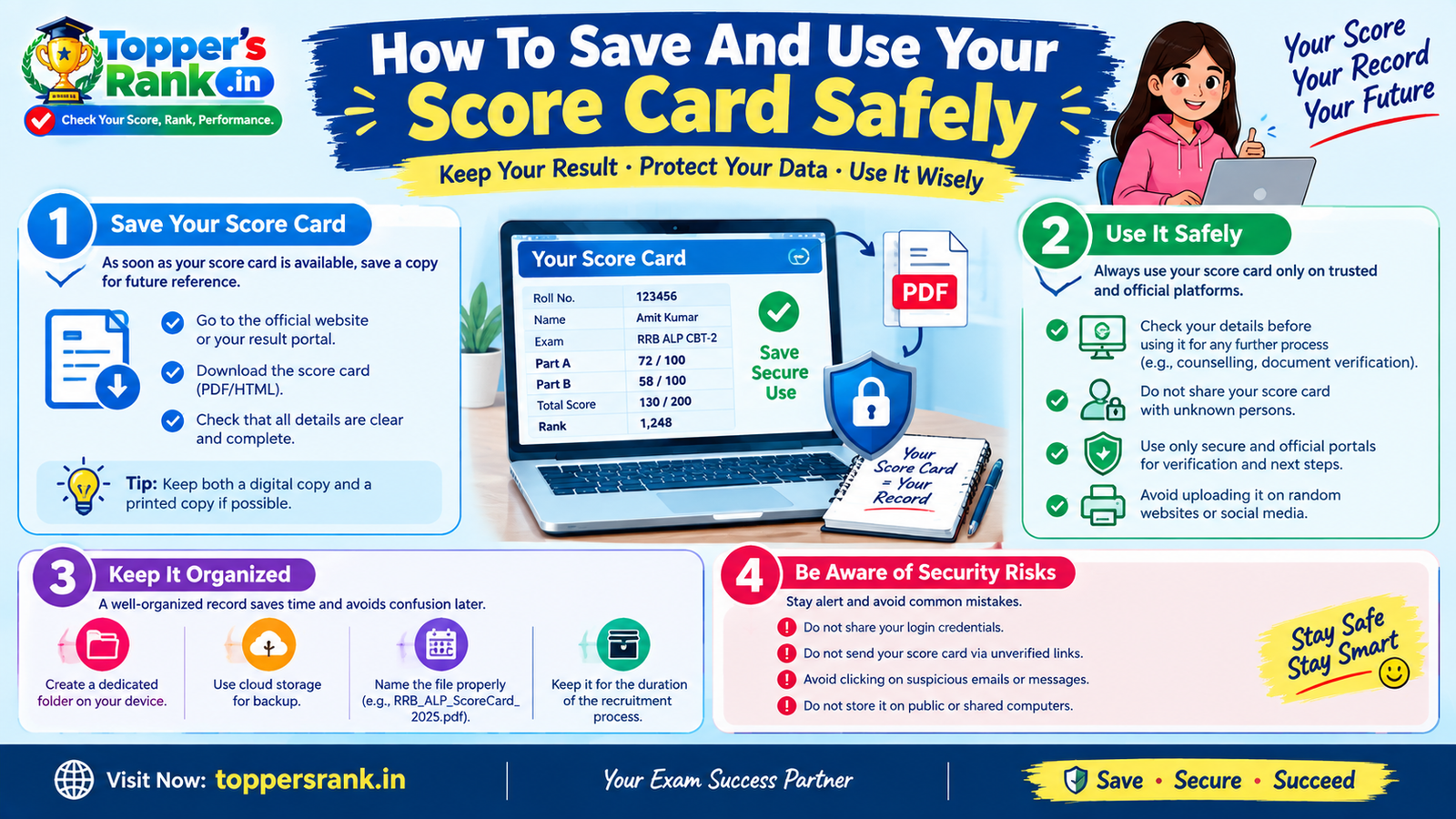
1. Score Card उपलब्ध होते ही उसकी Copy Save करें
Score card को response sheet के साथ एक ही folder में रखना उपयोगी होता है, क्योंकि दोनों documents बाद में calculation verify करने में मदद कर सकते हैं।
एक practical folder structure इस तरह रखा जा सकता है:
Exam Name → Exam Date → Roll Number → Response Sheet + Answer Key + Score Card
उदाहरण के लिए:
RRB ALP CBT-2 → 2025 → Roll No. XXXXX → Documents
इससे objection window, result period या document verification के समय required file को जल्दी ढूंढना आसान हो जाता है।
---
# 2. File Name भी व्यवस्थित रखें
बहुत-सी files को केवल download.pdf, result.pdf या scorecard.pdf नाम से save करने के बजाय meaningful file name रखना बेहतर है।
उदाहरण:
RRB_ALP_CBT2_ScoreCard_RollXXXX.pdf
या:
ExamName_Date_RollNumber_ScoreCard.pdf
इसी तरह:
RRB_ALP_CBT2_ResponseSheet_RollXXXX.html
---
# 3. Response Sheet और Score Card को साथ रखें
Response Sheet से आप देख सकते हैं:
- कौन-सा answer चुना गया था
- कौन-सा answer correct था
- Question-wise response
- Question ID
- Selected option
जबकि Score Card में मिल सकता है:
- Total score
- Right answers
- Wrong answers
- Unattempted questions
- Category
न्य result information
- Examination-related details
दोनों documents को साथ रखने से बाद में score calculation को audit करना आसान हो जाता है।
---
# 4. Score Card Publicly Share करने से पहले सावधान रहें
Score card में कई प्रकार की personal information हो सकती है, जैसे:
- Roll Number
- Registration Number
- Candidate ID
- Exam Centre Details
न्य candidate details
- Application-related information
इसलिए score card को social media, public groups या open forums पर पूरा का पूरा upload करना उचित नहीं है।
यदि आपको किसी public group में assistance चाहिए, तो पहले sensitive information को crop, blur या hide करें।
Public post में क्या छिपाना चाहिए?
कम-से-कम:
को visible न रखें, जब तक उन्हें share करना आवश्यक न हो।
---
# 5. Score Card की एक Backup Copy रखें
केवल एक location पर important exam documents रखना जोखिमपूर्ण हो सकता है।
उदाहरण:
Primary Copy → Personal Device Backup Copy → Secure Cloud Storage / External Storage
ध्यान रखें कि backup location भी निजी और सुरक्षित हो।
Public computer, shared folder या open device में score card छोड़ना avoid करें।
---
Score analysis या personal record के लिए एक useful score card में, जहां उपलब्ध हो, निम्न information देखी जा सकती है:
- Exam Name
- Candidate Details
- Total Questions
- Correct Answers
- Wrong Answers
- Unattempted Questions
- Marks Obtained
- Category
- Zone
- Post, जहां लागू हो
- Marking Rule
- Calculation Method
- Rank या merit-related information, जहां उपलब्ध हो
यह information बाद में calculation verify करने में काफी उपयोगी हो सकती है।
---
# 7. Calculation Rule को भी Record करें
केवल final marks save करना हमेशा पर्याप्त नहीं होता।
कई examinations में:
- Negative marking होती है
लग rules हो सकते हैं
- Normalization लागू हो सकती है
- कुछ sections qualifying हो सकते हैं
- Category या post-specific conditions हो सकती हैं
इसलिए score card या personal analysis record में यह note करना उपयोगी है कि score किस marking rule के आधार पर calculate किया गया था।
उदाहरण:
Correct = +1 Wrong = -0.25 Unattempted = 0
Exact rule हमेशा संबंधित examination की official instructions पर आधारित होना चाहिए।
---
जब official result या official score card उपलब्ध हो जाए, तो पहले calculated score और बाद में जारी official score के बीच comparison किया जा सकता है।
उदाहरण:
आपका Answer-Key Calculation = 76.50
Official Score = 75.75
---
1. Wrong Examination Rule
क्या calculator में सही marking scheme selected थी?
2. Incorrect Response Data
क्या response sheet complete थी?
3. Wrong Answer Key Version
क्या आपने सही shift, set या official answer key use की?
4. Revised Answer Key
क्या examination authority ने बाद में किसी question का correct answer बदला?
5. Dropped Question
क्या किसी question को बाद में हटाया गया?
6. Normalization
क्या multiple shifts होने के कारण normalization लागू हुई?
इन सभी factors का applicability examination-specific होता है।
---
# 10. Revised Answer Key से Marks बदल सकते हैं
यह एक महत्वपूर्ण point है।
कभी-कभी examination authority provisional answer key जारी करती है और candidates को objection की opportunity देती है। Review के बाद authority revised answer key जारी कर सकती है।
इससे कुछ questions के correct answers बदल सकते हैं और candidate के calculated marks भी बदल सकते हैं।
इसलिए:
Initial Answer Key Score ≠ हमेशा Final Official Score
होना जरूरी नहीं है।
जब revised answer key उपलब्ध हो, तो पुराने calculation को फिर से verify करना उपयोगी है।
---
# 11. Objection और Result Period में Saved Documents क्यों महत्वपूर्ण हैं?
यदि आपके पास पहले से:
Response Sheet + Answer Key + Score Calculation + Score Card
सुरक्षित तरीके से saved हैं, तो बाद में किसी discrepancy की जांच करना आसान हो जाता है।
---
# 12. Score Card का उपयोग केवल Rank देखने के लिए न करें
Score card में मौजूद information को performance analysis के लिए भी उपयोग किया जा सकता है।
आप compare कर सकते हैं:
- Correct vs wrong answers
- Accuracy
- Attempt rate
- Negative marking impact
- Section-wise performance
- Category-wise position
- Previous attempts
- Expected vs official score
इससे future preparation में भी मदद मिल सकती है।
---
आपका score educational performance information है, लेकिन score card में इसके साथ personal identifiers भी जुड़े हो सकते हैं।
इसलिए किसी public discussion में केवल जरूरी data share करना बेहतर है।
उदाहरण:
Public post के लिए:
Score: 78.25 Category: OBC Exam: XYZ
काफी हो सकता है।
लेकिन:
Roll Number + Registration Number + DOB + Centre Details
share करना आवश्यक नहीं होता।
---
# 14. यदि Score Card में कोई जानकारी गलत लगे तो क्या करें?
सबसे पहले document को ध्यान से verify करें।
Check करें:
- सही examination है?
- Candidate details सही हैं?
- सही shift/set है?
- सही answer key इस्तेमाल हुई?
- सही marking rule selected है?
- Response sheet complete है?
- कोई revised answer key जारी हुई?
- Authority ने कोई correction notice जारी किया?
इसके बाद ही final conclusion निकालें।
---
# 15. A Reliable Score Record कैसे बनाएं?
एक organised exam record इस तरह रखा जा सकता है:
01 – Official Notification 02 – Response Sheet 03 – Answer Key 04 – Self Score Calculation 05 – Official Score Card 06 – Result 07 – Rank / Merit Information 08 – Objection / Correction Records
यह structure खासकर उन candidates के लिए उपयोगी है जो कई examinations देते हैं।
---
# 16. Final Takeaway
---
# How to Save and Use Your Score Card Safely
A score card is valuable not only when the result is released but also later during answer-key verification, objection periods, result comparison, document verification and personal performance tracking. After calculating your marks, it is therefore useful to download the official score card and keep it safely with your response sheet and other examination records.
1. Save Your Score Card as Soon as It Is Available
Once the official score card becomes available, download a copy immediately and store it safely.
Keeping the score card together with the response sheet is particularly useful because the two documents can help you verify how the score was calculated.
A practical folder structure could be:
Exam Name → Exam Date → Roll Number → Response Sheet + Answer Key + Score Card
For example:
RRB ALP CBT-2 → 2025 → Roll No. XXXXX → Documents
This can save time during objection periods, result checks or later stages of the recruitment process.
---
# 2. Use Clear File Names
Instead of leaving files with generic names such as download.pdf, result.pdf or scorecard.pdf, use descriptive file names.
For example:
RRB_ALP_CBT2_ScoreCard_RollXXXX.pdf
or:
ExamName_Date_RollNumber_ScoreCard.pdf
Similarly:
RRB_ALP_CBT2_ResponseSheet_RollXXXX.html
Clear file names make future searches easier and reduce the chance of mixing documents from different examinations.
---
# 3. Keep the Response Sheet and Score Card Together
The response sheet and score card may contain different types of information.
A Response Sheet may show:
- Selected answers
- Correct answers
- Question IDs
- Question-wise responses
- Response status
A Score Card may provide:
- Total score
- Correct answers
- Wrong answers
- Unattempted questions
- Category
- Rank or other result details
- Examination information
Keeping both documents together makes later score verification much easier.
---
# 4. Be Careful Before Sharing Your Score Card Publicly
A score card may contain personal information such as:
- Roll number
- Registration number
- Candidate ID
- Examination centre details
- Date of birth or other personal details
- Application-related information
For this reason, uploading the complete score card to social media, public groups or open forums is generally not a good practice.
When asking for help in a public group, crop, blur or hide sensitive information before posting.
What Should You Hide?
At minimum, consider hiding:
Roll Number, Registration Number, Candidate ID and other personal identifiers
unless sharing them is genuinely necessary.
---
# 5. Keep a Backup Copy
Keeping an important exam document in only one location can create problems if the device is lost, damaged or reset.
A simple approach is:
Primary Copy → Personal Device Backup Copy → Secure Cloud Storage / External Storage
Your backup should also be private and protected.
Avoid leaving your score card on public computers, shared folders or other devices that you do not control.
---
# 6. What Information Should a Useful Score Card Show?
Where available, a useful score card or score-analysis record should include:
- Exam Name
- Candidate Details
- Total Questions
- Correct Answers
- Wrong Answers
- Unattempted Questions
- Marks Obtained
- Category
- Zone
- Post, where applicable
- Marking Rule
- Calculation Method
- Rank or merit-related information, where applicable
This information can be valuable when auditing your score later.
---
# 7. Record the Calculation Rule Too
Saving only the final marks may not always be enough.
Different examinations can use:
- Negative marking
- Section-specific marking rules
- Normalization
- Qualifying sections
- Category-specific conditions
- Post-specific rules
Therefore, it is useful to keep a note of the marking rule used for the calculation.
For example:
Correct = +1 Wrong = -0.25 Unattempted = 0
The actual marking scheme must always be confirmed from the relevant official examination instructions.
---
# 8. Compare Your Calculation With the Official Result
Once the official score or result is published, compare it with your answer-key-based calculation.
For example:
Self-calculated Score = 76.50
Official Score = 75.75
A difference does not automatically mean that the calculation was wrong. There can be several reasons for the difference.
---
# 9. Why Can the Calculated Score and Official Score Differ?
Check the following possibilities:
1. Incorrect Examination Rule
Was the correct marking scheme used?
2. Incomplete Response Data
Was the response sheet complete and correctly saved?
3. Wrong Answer Key Version
Was the correct shift, set or official answer key used?
4. Revised Answer Key
Did the examination authority later change the answer to one or more questions?
5. Dropped Question
Was any question removed or treated differently?
6. Normalization
Was normalization applied because the exam was conducted across multiple shifts?
The exact reasons depend on the examination and its official rules.
---
# 10. A Revised Answer Key Can Change the Marks
This is particularly important during the answer-key stage.
An authority may first publish a provisional answer key and allow candidates to raise objections. After reviewing those objections, the authority may issue a revised or final answer key.
If an answer is changed, the calculated score can also change.
Therefore:
Initial Answer-Key Score ≠ Necessarily Final Official Score
Candidates should recheck their calculation when a revised answer key is issued.
---
# 11. Why Saved Documents Matter During Objections and Results
Answer-key objection windows may remain open only for a limited period. Similarly, candidates may need earlier examination records during later recruitment stages.
Having the following documents safely stored can make verification much easier:
Response Sheet + Answer Key + Score Calculation + Official Score Card
This record helps you investigate discrepancies without depending entirely on whether the original portal is still accessible.
---
# 12. A Score Card Is More Than a Rank Number
Your score card can also be useful for performance analysis.
You can compare:
- Correct vs. wrong answers
- Accuracy
- Attempt rate
- Effect of negative marking
- Section-wise performance
- Category-wise position
- Previous attempts
- Expected score vs. official score
This information can also help with future exam preparation.
---
# 13. Keep Personal Information Separate From Public Score Discussions
Your score may be useful for educational discussion, but the score card may also contain personal identifiers.
When posting in a public discussion, share only what is necessary.
For example:
Score: 78.25 Category: OBC Exam: XYZ
may be enough for a general discussion.
There is usually no need to publish:
Roll Number + Registration Number + DOB + Centre Details
along with it.
---
# 14. What Should You Do If Something Looks Wrong?
Before assuming that an official score is incorrect, verify the underlying information carefully.
Check:
- Is this the correct examination?
- Are the candidate details correct?
- Is the correct shift/set being used?
- Was the correct answer key applied?
- Was the correct marking scheme selected?
- Is the response sheet complete?
- Was a revised answer key issued?
- Did the authority publish a correction notice?
Only after these checks should you assess whether there is a genuine discrepancy.
---
# 15. Build an Organized Examination Record
For candidates who take multiple examinations, an organized record can be extremely useful.
A simple structure is:
01 – Official Notification 02 – Response Sheet 03 – Answer Key 04 – Self Score Calculation 05 – Official Score Card 06 – Result 07 – Rank / Merit Information 08 – Objection / Correction Records
This makes it easier to retrieve documents months later.
---
# Final Takeaway
A score card is most useful when it can be stored, verified, compared and retrieved easily later. Download your official score card as soon as it becomes available, keep it with the response sheet and answer key, use clear file names, and maintain a secure backup.
When sharing a score card publicly, protect roll numbers, registration numbers, candidate IDs, centre details and other personal information.
If your calculated score differs from the official result, check the marking scheme, response sheet, answer-key version, revised answer key, dropped questions and normalization rules before drawing conclusions.
Most importantly, treat your own calculation as a verification and planning tool. For the final and authoritative score, always rely on the official score card and result issued by the relevant examination authority.
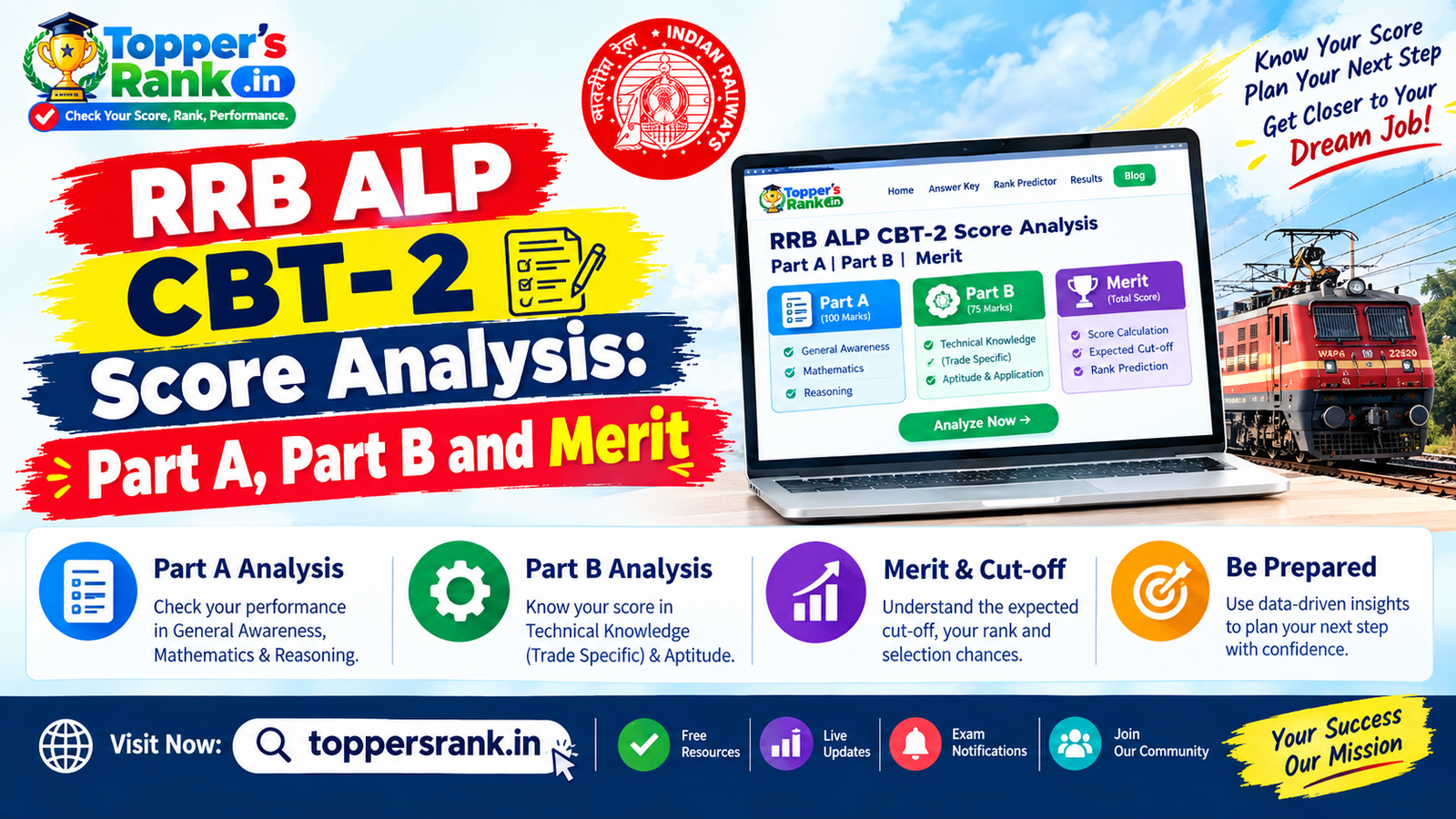 Exam Guidance · 18 minRRB ALP CBT-2 Score Analysis: Part A, Part B and Merit
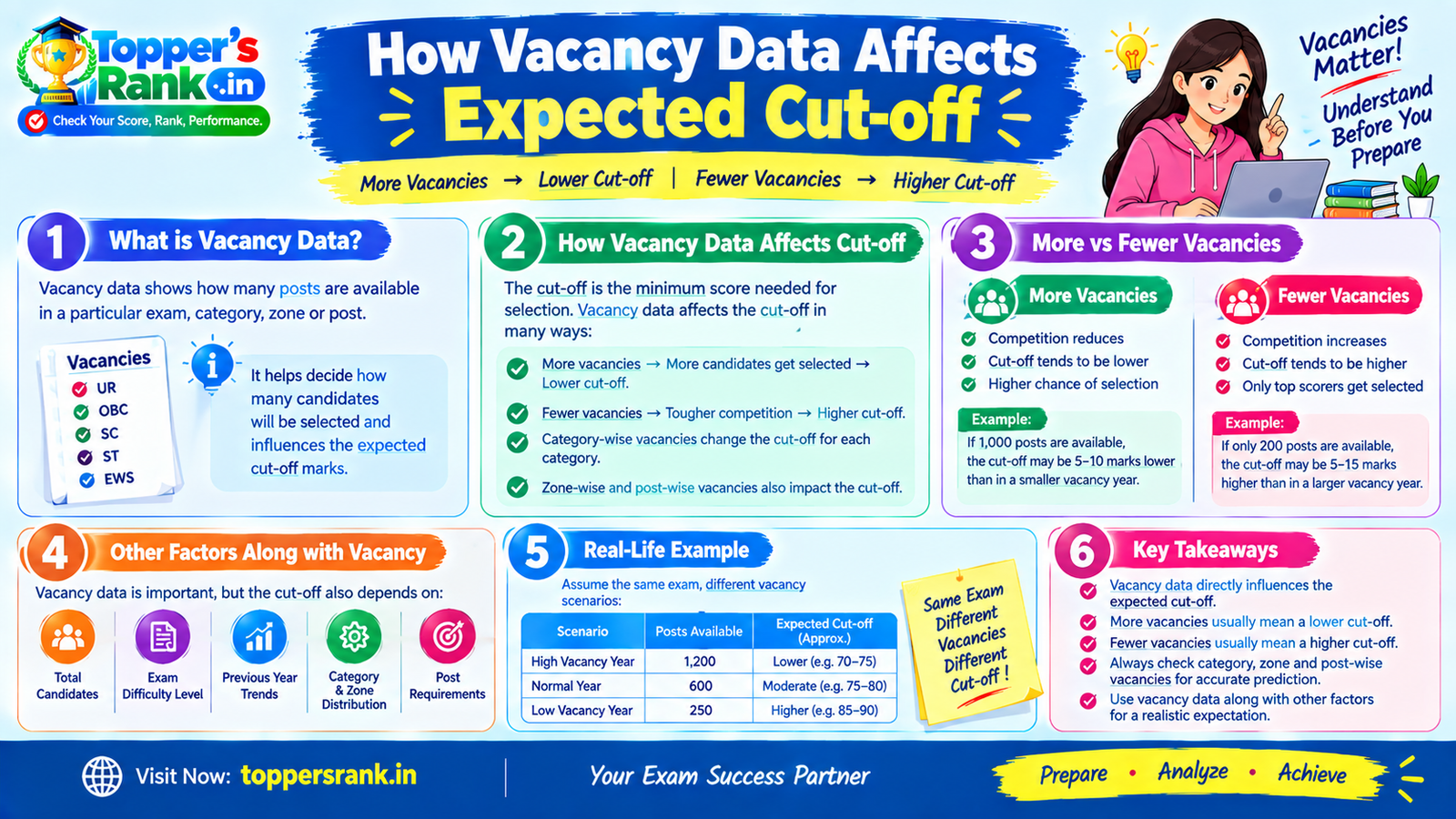 Exam Guidance · 10 minHow Vacancy Data Affects Expected Cut-off
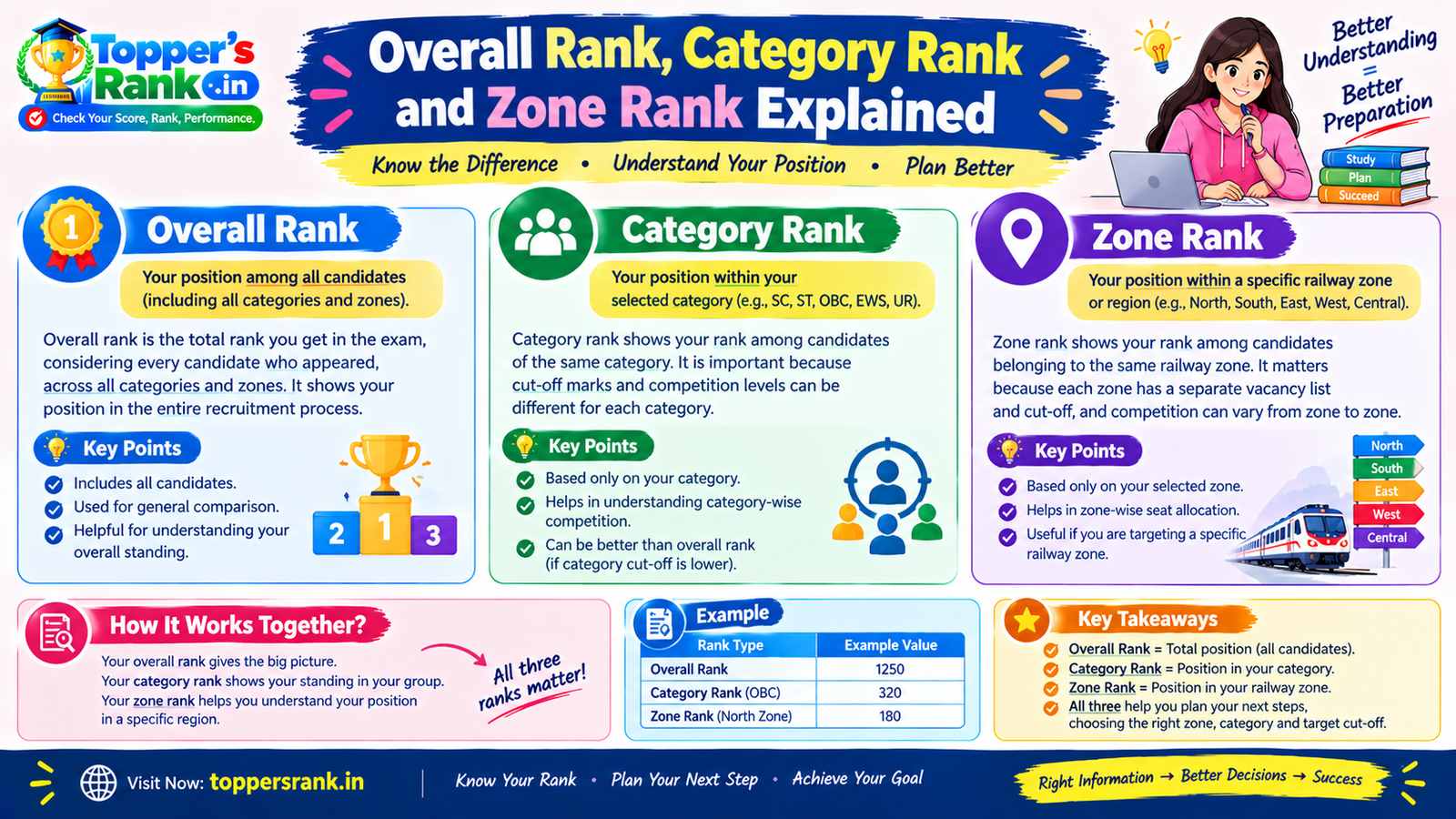 Exam Guidance · 9 minOverall Rank, Category Rank and Zone Rank Explained