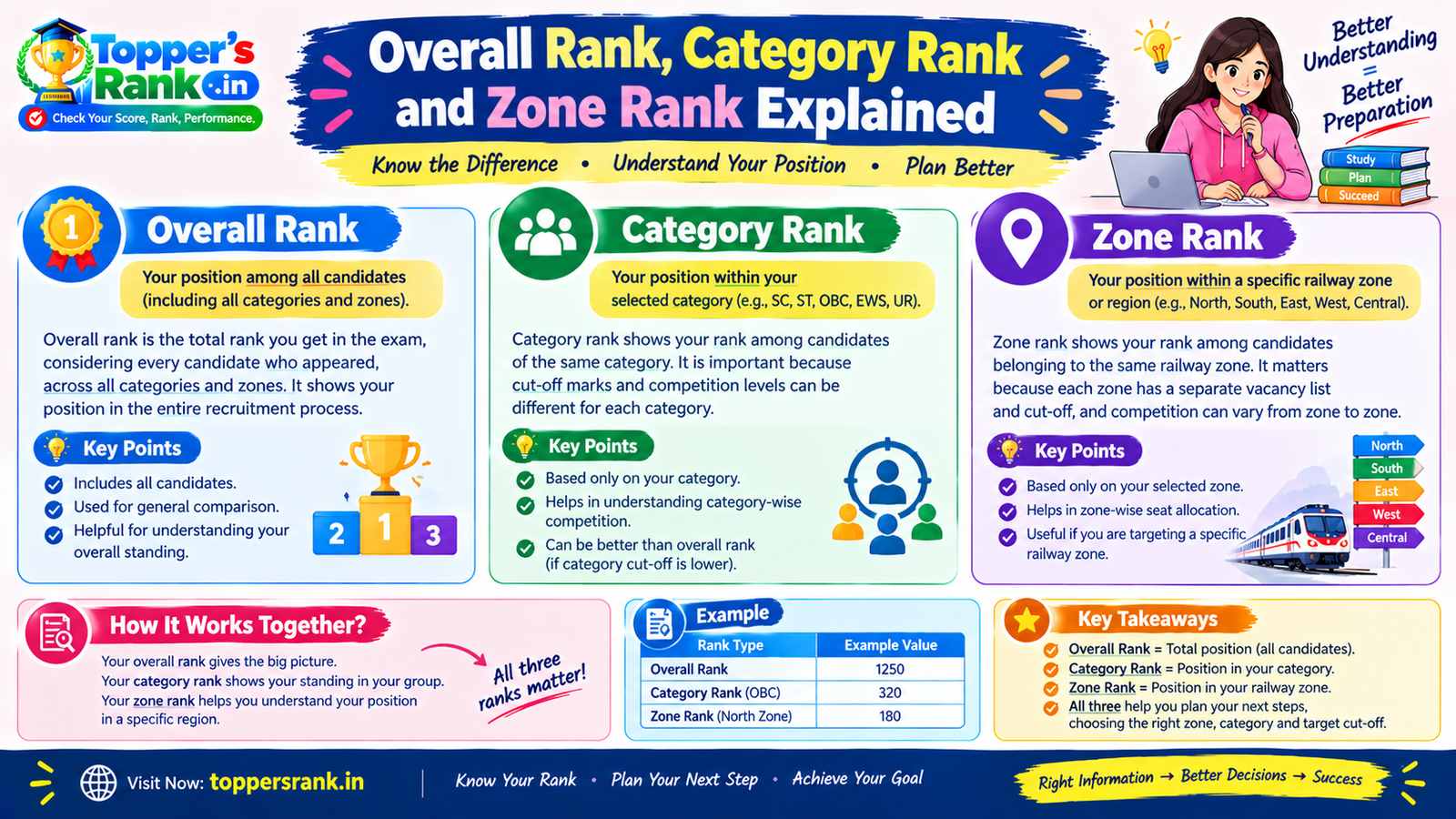
Railway normalization is often misunderstood as a fixed bonus. This guide separates response-sheet raw marks from the statistical score calculated by the recruiting authority and explains how candidates can audit both without mixing unlike numbers.
Exam Guidance
RRB Normalization Explained: What Candidates Should Know
Understand why multi-shift railway exams normalize scores, what a raw-score calculator can show and which number belongs in a cut-off comparison.

Why Railway Exams Use Normalization
A large Railway Recruitment Board examination may run in many shifts because every candidate cannot be tested at the same time. Although the syllabus and intended difficulty are common, the exact questions are different. One shift can therefore produce a slightly different score distribution from another. Normalization is the authority's statistical process for making scores from those shifts comparable before a common merit list is prepared.
Normalization does not mean that every candidate receives bonus marks, and it is not a fixed number that can be added to a raw score. The adjustment depends on the official method and the performance distribution for the applicable shifts. A candidate can see a normalized score that is higher, lower or close to the raw score. Only the recruiting authority has the complete candidate population needed to perform that calculation.
What An Answer-Key Calculator Can And Cannot Show
A response-sheet calculator can reliably count right, wrong and unattempted questions and apply the verified marking rule. That produces raw marks. It cannot reproduce an official normalized score merely from one response sheet because it does not have every shift's complete attendance and score distribution. A website should label the number as raw marks unless the authority itself has published the normalized score.
Some unofficial tools estimate normalization from a small voluntary sample. Such an estimate may be useful for exploring possibilities, but it should never be displayed as an official score. The sample can over-represent high scorers, one coaching group or one region. Toppers Rank therefore keeps raw marks, submitted-data comparison and official normalized marks as separate concepts.
- Use the exact CEN and exam stage when reading the normalization notice.
- Compare an official cut-off only with the same score type stated in the result notice.
- Do not add an assumed normalization bonus to a calculator score.
- Retain the raw scorecard so later official marks can be audited.
How To Interpret Your Result Responsibly
First verify the question counts and raw formula. Next read the official result or scorecard to identify whether the displayed marks are raw, normalized, percentile based or weighted with another stage. Then compare category and RRB cut-offs using that same measure. Mixing raw marks with a normalized cut-off creates a misleading selection estimate even when both numbers look precise.
If your official score differs from the raw calculation, check final-key revisions, dropped questions and the published normalization method before reporting an error. A difference alone does not prove the calculator is wrong. Keep the provisional key, final key, response sheet and scorecard together so every stage of the calculation can be traced.
Frequently Asked Questions
Can I calculate my exact normalized marks before the result?
Usually no. The authority needs complete shift-level data that is not available from one response sheet or a voluntary website sample.
Is normalization the same as percentile?
No. They are different statistical approaches. Use the method named in the official notice for that recruitment.
 Exam Guidance · 16 minHow To Save And Use Your Score Card Safely
 Exam Guidance · 18 minRRB ALP CBT-2 Score Analysis: Part A, Part B and Merit
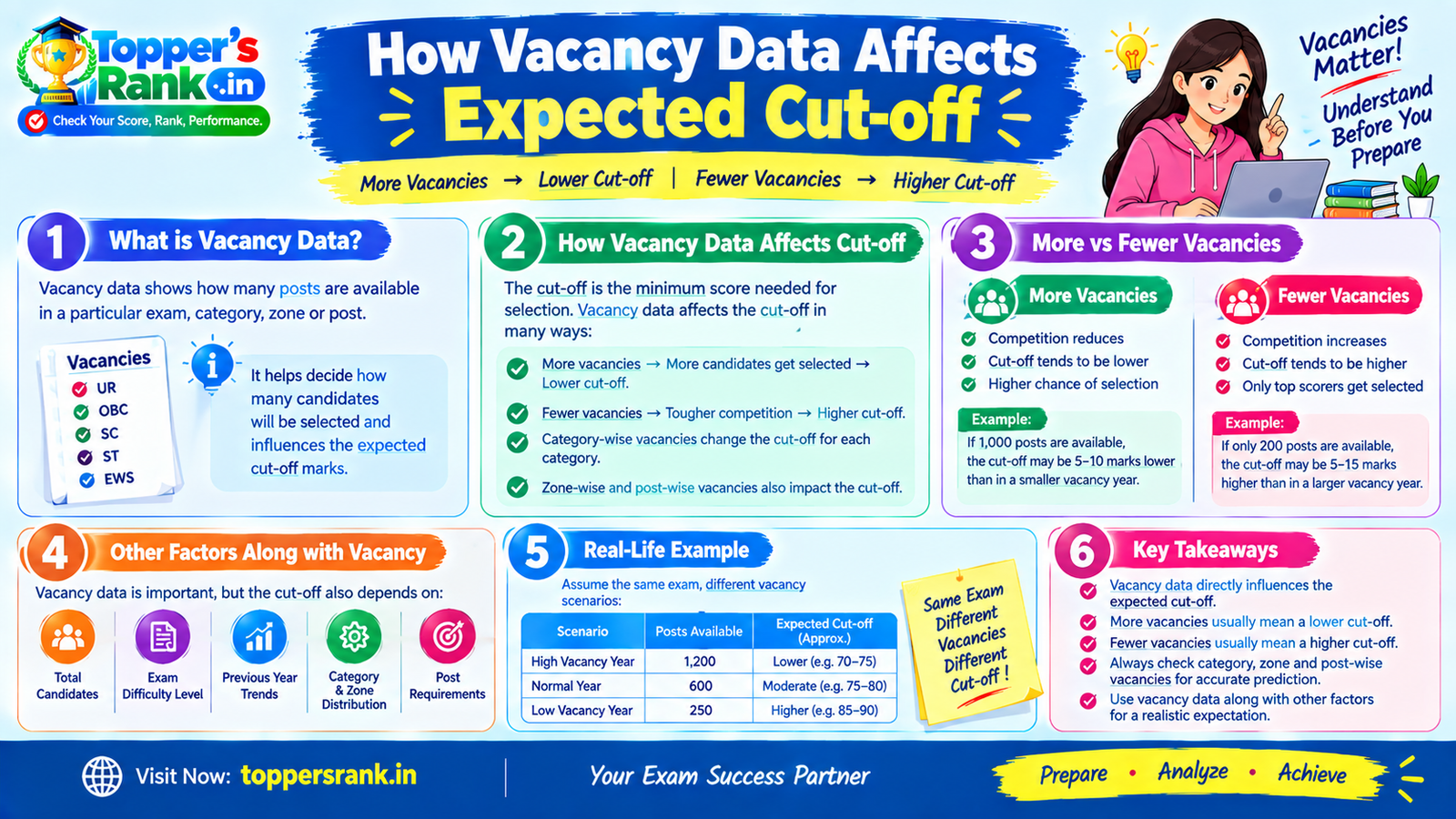 Exam Guidance · 10 minHow Vacancy Data Affects Expected Cut-off